

Industrial computers, often referred to as industrial PCs, are a crucial component in modern manufacturing and production processes. These specialized machines are designed to operate in demanding environments, where factors like temperature, humidity, and shock can affect their performance. Unlike consumer-grade PCs, industrial PCs are built to withstand these harsh conditions, ensuring reliable and efficient operation.
The use of industrial PCs is not limited to manufacturing plants alone; they are also used in various other industries, including healthcare, transportation, and energy. These versatile devices can be configured to perform specific tasks, such as data acquisition, control, and monitoring. They are often integrated into larger systems, enhancing their functionality and flexibility.
In recent years, the industrial PC market has seen significant technological advancements. Manufacturers are now offering a wide range of options, from compact, embedded systems to fully-fledged motherboards that can be integrated into custom-built systems. This diversification has enabled users to select the best solution for their specific needs, whether it is a small embedded unit for a remote sensor or a powerful motherboard for a complex control system.
While the basics of industrial PCs are well-established, the ongoing evolution of these devices is exciting. Emerging technologies like AI, IoT, and cloud computing are being integrated into industrial PCs, transforming them into powerful tools capable of advanced data processing and real-time monitoring. This integration is expected to drive further innovation and efficiency in industrial settings, making industrial PCs an essential component of modern industry.
This article will delve into the world of industrial PCs, exploring their fundamental principles, recent advancements, and future prospects. Whether you are an industry professional looking to upgrade your systems or an enthusiast curious about the latest technologies, this introduction will set the stage for a comprehensive exploration of the fascinating world of industrial PCs.
Industrial PCs have become an integral part of modern industrial operations, offering a reliable and efficient computing solution for various applications. These ruggedized devices are designed to withstand harsh industrial environments, ensuring continuous operation and increased productivity. However, with the vast array of industrial PCs available in the market, it can be challenging to identify the right one for your specific needs. This article aims to provide a comprehensive overview of industrial PCs, their components, and the factors to consider when choosing the right one for your industrial setting.
Components of an Industrial PC
Industrial PCs are typically composed of several key components that differentiate them from traditional desktop PCs. These components are designed to withstand the rigors of industrial environments and ensure continuous operation:
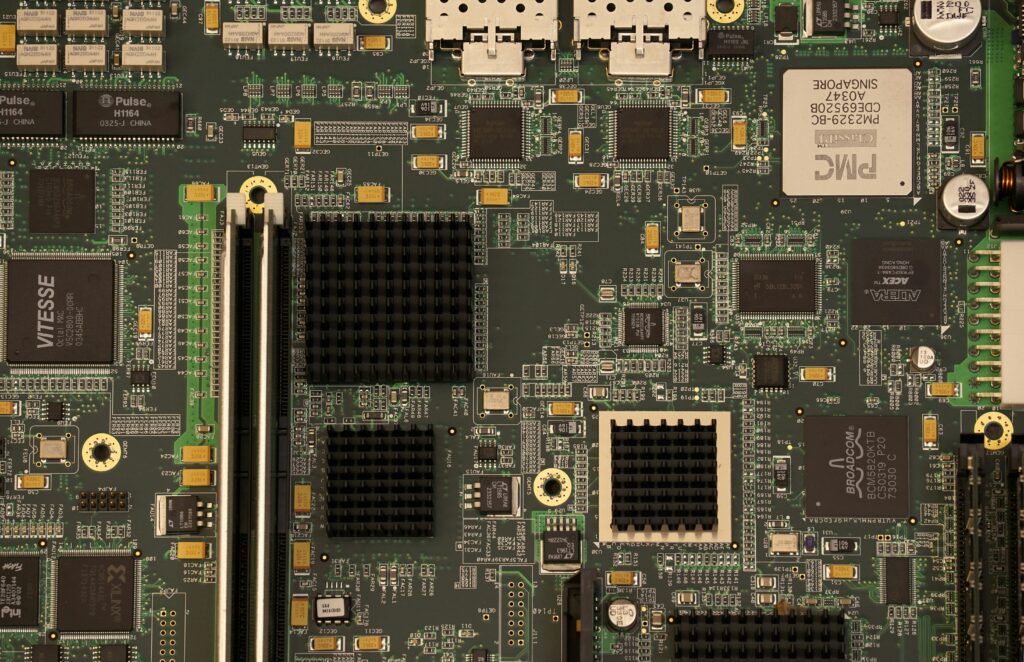
- Motherboard: The motherboard is the central component of any industrial PC. It is designed to handle high temperatures, vibrations, and other environmental stressors while ensuring reliable operation. Industrial motherboards often come with advanced features such as redundant power supplies, ruggedized connectors, and enhanced thermal management to handle demanding industrial applications.
- CPU: The central processing unit (CPU) is the brain of the industrial PC. They typically use high-performance CPUs capable of handling demanding industrial applications. These CPUs are designed to provide efficient performance and reliability in harsh environments.
- Storage: Industrial PCs often feature solid-state drives (SSDs) for storage. SSDs are more reliable and faster than traditional hard disk drives (HDDs), providing increased data transfer rates and improved random access times.
- Memory: Industrial PCs typically use high-quality, high-density memory modules that can withstand high temperatures and vibrations. These modules ensure reliable operation and reduce the risk of data loss.
- Graphics: Industrial PCs often come with integrated graphics solutions that are optimized for industrial applications. These solutions provide high-performance graphics capabilities while maintaining efficiency and reliability.
- Power Supply: Industrial PCs require a reliable and efficient power supply. Industrial power supplies are designed to handle high electrical loads, voltage fluctuations, and environmental stressors.
- Cooling Systems: Industrial PCs often come with advanced cooling systems to manage heat generated by the CPU and other components. These systems ensure that the industrial PC operates within acceptable temperature ranges.
- Casing: The casing of an industrial PC is designed to withstand the rigors of industrial environments. Industrial PCs often have ruggedized casings made from durable materials that can handle high temperatures, vibrations, and other environmental stressors.
Choosing the Right Industrial PC
When selecting an industrial PC, several factors must be considered to ensure it meets the specific needs of your industrial application:
- Environmental Conditions: Identify the environmental conditions in which the industrial PC will operate. This includes factors such as temperature, humidity, vibration, and dust levels.
- Processor Performance: Determine the level of processor performance required for your application. Industrial PCs typically offer high-performance CPUs that can handle demanding tasks.
- Storage and Memory Requirements: Assess the storage and memory requirements of your application. Industrial PCs often come with high-quality storage and memory modules that can handle demanding applications.
- Graphics Capabilities: Evaluate the graphics capabilities required for your application. Industrial PCs often come with integrated graphics solutions that are optimized for industrial applications.
- Power and Cooling Requirements: Ensure that the industrial PC you choose can handle the power and cooling requirements of your application.
- Certifications and Compliance: Verify that the industrial PC meets the necessary certifications and complies with industry standards and regulations.
- Support and Maintenance: Consider the availability of support and maintenance services for the industrial PC. These services can ensure that your industrial PC remains operational and efficient throughout its lifecycle.
- Cost and Budget: Evaluate the cost and budget constraints for your industrial PC. Industrial PCs can range from affordable to high-end, depending on the features and performance required.
Industrial PC Applications
Industrial PCs are used in a variety of applications across various industries:
- Manufacturing: Industrial PCs are used in manufacturing environments to control and monitor production processes, automate tasks, and enhance productivity.
- Automation: Industrial PCs are used in automation applications to control and monitor industrial processes, ensuring efficient and reliable operation.
- Process Control: Industrial PCs are used in process control applications to monitor and control industrial processes, ensuring that they operate within acceptable parameters.
- Data Acquisition: Industrial PCs are used in data acquisition applications to collect and store data from industrial sensors and instruments.
- Industrial Automation: Industrial PCs are used in industrial automation applications to automate and control various industrial processes, enhancing efficiency and productivity.
Industrial PCs have become an essential part of modern industrial operations, providing reliable and efficient computing solutions for various applications. By understanding the components and factors to consider when choosing an industrial PC, you can ensure that you select the right one for your specific needs. Whether you are in manufacturing, automation, process control, data acquisition, or industrial automation, industrial PCs offer a robust and reliable solution for your industrial computing requirements
You may also be interested in: CorSense Gateway | Corvalent
Ready to elevate your mission-critical operations? From medical equipment to military systems, our USA-built Industrial Computing solutions deliver unmatched customizability, performance and longevity. Join industry leaders who trust Corvalent’s 30 years of innovation in industrial computing. Maximize profit and performance. Request a quote or technical information now!