

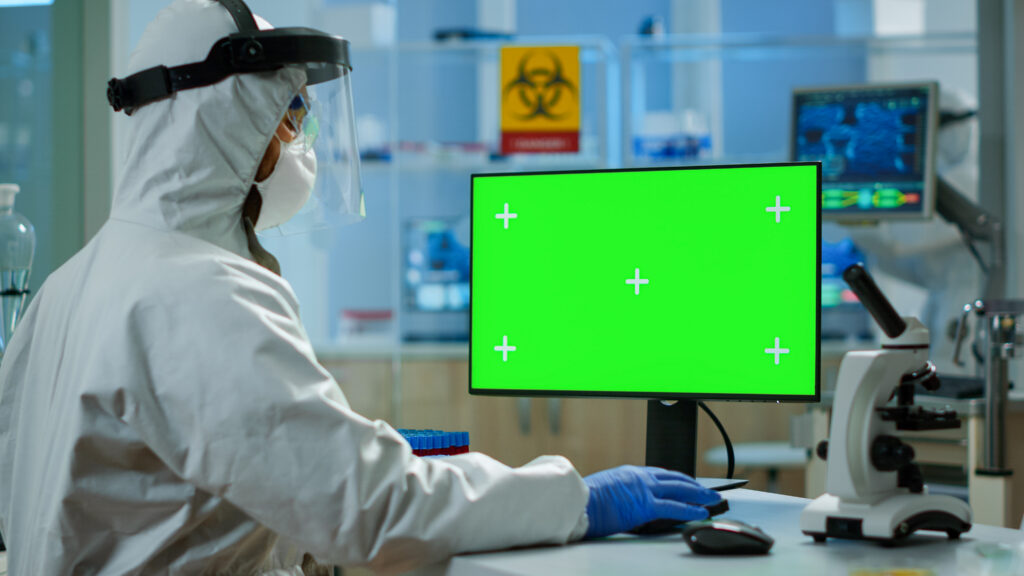
Medical-grade computers have revolutionized the way hospitals function, providing a critical foundation for efficient and effective medical care. Unlike traditional computers, medical-grade computers are specifically designed to meet the stringent requirements of a healthcare environment, ensuring both reliability and security. These computers are essential for hospitals because they are built to withstand the rigors of continuous use, heavy traffic, and exposure to harsh cleaning agents and disinfectants, which can damage ordinary computers. Moreover, medical-grade computers are engineered to meet the unique needs of healthcare professionals, providing high-performance capabilities, robust security features, and advanced functionality tailored to medical applications. For instance, medical-grade computers often feature specialized software and interfaces designed to streamline patient data management, facilitate real-time monitoring, and enhance communication among healthcare providers. Additionally, these computers can be configured to interface with various medical devices, ensuring seamless data exchange and reducing the likelihood of errors. As hospitals continue to adopt digital technologies to improve patient care and streamline operations, medical-grade computers will remain a cornerstone of modern healthcare infrastructure.
Hospitals are at the forefront of medical innovation, where cutting-edge technology plays a crucial role in delivering high-quality care. Medical grade computers, specifically designed for healthcare environments, are indispensable in this endeavor. These computers are engineered to meet the unique demands of hospitals, ensuring seamless integration with existing systems, robust performance, and enhanced patient safety. In this blog, we will explore the five essential reasons
1. Enhanced Data Security
Data security is a paramount concern in hospitals, where sensitive patient information is handled. Medical-grade computers are designed with robust security features to protect confidential data. These features include:
- Encryption: Data is encrypted in real-time, ensuring that even if a device is stolen or lost, the information cannot be accessed without the correct decryption keys.
- Access Control: Only authorized personnel have access to specific data and systems, preventing unauthorized access.
- Regular Updates: The operating systems and software are regularly updated to patch security vulnerabilities, ensuring that any potential threats are mitigated.
These measures are crucial in maintaining the trust of patients and healthcare providers, as well as compliance with regulatory bodies like HIPAA.
2. Durability and Reliability
Hospitals operate around the clock, and medical-grade computers are built to withstand the rigors of continuous use. Key features that contribute to their durability and reliability include:
- Rugged Construction: The computers are designed to withstand heavy use, with rugged cases that can withstand accidental drops or impacts.
- High-Quality Components: Components are sourced from reputable manufacturers, ensuring that they can handle the demanding environments of hospitals.
- 24/7 Support: Manufacturers offer dedicated support services, ensuring that any technical issues are quickly resolved.
This reliability is critical for hospitals, where downtime can be catastrophic, potentially leading to delays in patient care or even worse, medical errors.
3. Integration with Existing Systems
Medical-grade computers are designed to seamlessly integrate with existing hospital systems, ensuring that all data is centralized and accessible. Key features that enable this integration include:
- Standard Interfaces: The computers support standard interfaces such as USB, Ethernet, and Wi-Fi, allowing them to connect to a wide range of devices.
- Customizable Software: The operating systems and software can be customized to meet the specific needs of the hospital, ensuring that all systems communicate effectively.
- Scalability: The computers can be easily scaled up or down as the hospital’s needs change, ensuring that the technology infrastructure grows with the hospital
This integration is crucial for hospitals, where disparate systems can lead to inefficiencies and data silos.
4. Improved Patient Care
Medical-grade computers are designed to enhance patient care by providing healthcare professionals with the tools they need to deliver optimal care. Key features that support this include:
- Real-Time Data Access: Medical professionals have access to real-time patient data, allowing them to make informed decisions rapidly.
- Enhanced Communication: The computers enable seamless communication between healthcare teams, ensuring that all relevant information is shared.
- Automated Processes: The computers can automate repetitive tasks, freeing up medical professionals to focus on the care of patients.
These features lead to better patient outcomes, reduced errors, and enhanced overall quality of care.
5. Compliance with Regulatory Requirements
Hospitals must adhere to strict regulatory requirements to ensure patient safety and data security. Medical-grade computers are designed to meet these requirements:
- Compliance with Regulatory Standards: The computers meet standards such as HIPAA, FDA, and other regulatory requirements, ensuring compliance with these standards.
- Regular Audits: Manufacturers conduct regular audits to ensure that the computers continue to meet these standards, providing hospitals with the assurance that their technology complies with regulatory demands.
This compliance is crucial in maintaining the trust of patients and regulatory bodies alike.
Medical-Grade Computer: Quality Care
In today’s healthcare landscape, medical-grade computers are essential for hospitals. They provide the necessary security, reliability, integration, and patient care enhancement to ensure that hospitals operate efficiently and effectively. By investing in these computers, hospitals can rest assured that their technology infrastructure is robust and reliable, supporting the delivery of high-quality care to their patients. As hospitals continue to evolve and innovate, medical-grade computers will remain a vital component in their journey towards excellence.
You may also be interested in: CorMonitor Industrial IoT Monitoring Dashboard | Corvalent
Ready to elevate your mission-critical operations? From medical equipment to military systems, our USA-built Industrial Computing solutions deliver unmatched customizability, performance and longevity. Join industry leaders who trust Corvalent’s 30 years of innovation in industrial computing. Maximize profit and performance. Request a quote or technical information now!